Introduction
Are you considering a 12V cooler for your camper, road trip, or camping gear? If so, you have likely come across two types: thermoelectric coolers and compressor fridges. At first glance, they look similar, but they operate very differently. We explain the difference so you know which option will truly keep your food and drinks cold.
What is a 12V cooler?
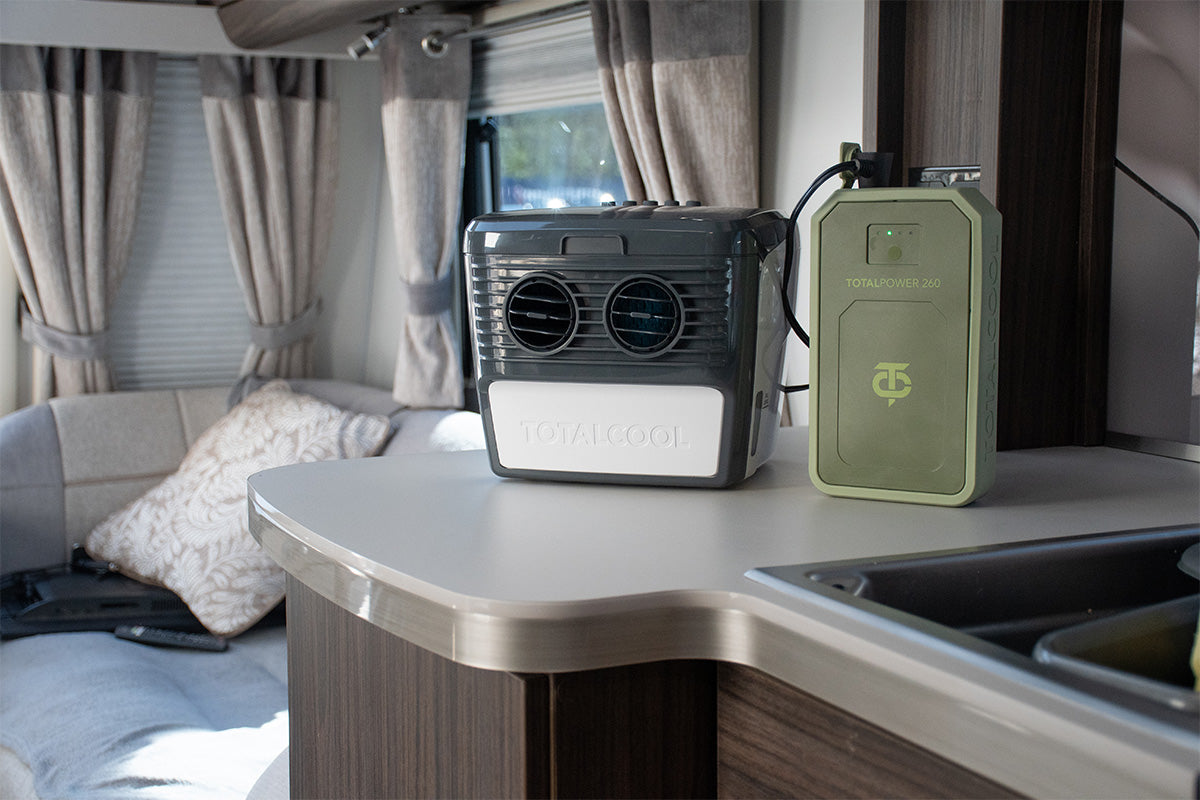
A 12V cooler, also known as a thermoelectric cooler, uses a special electronic plate (called a Peltier plate) to dissipate heat from the inside. This allows the contents to be cooled to approximately 17–20 °C below the ambient temperature.
For example, if it is 30 °C outside, your cooler can lower the temperature to about 10–13 °C. On a very hot day, the temperature inside the cooler may rise even further.
Good for:
-
Cooling drinks and snacks
-
Short trips
-
Cooler climates
Less suitable for:
-
Safely storing meat and dairy
-
Hot summer days
-
Trips longer than a few hours without an additional power supply
What is a compressor fridge?
A compressor fridge works much like your fridge at home. It uses a refrigerant and a small motor to compress gas and then let it expand again. This process extracts heat from the inside of the fridge and dissipates it to the outside.
Thanks to this technology, compressor fridges can reach and maintain real fridge temperatures around 3 °C, or even freezing temperatures of -18 °C or lower. The ambient temperature has a much smaller effect on this.
Good for:
-
Long trips
-
Storing meat, dairy, and fresh food
-
Warm climates
-
Off-grid use with solar panels or a battery
Energy consumption: which is more efficient?
Thermoelectric coolers use continuous power (usually 3–5 amps), even when they are not cooling at maximum capacity. There is no thermostat, so they keep consuming power.
Compressor fridges cycle on and off. They only consume power when necessary to maintain the set temperature. Most models feature energy-saving functions and can operate for 24 hours or more on a good leisure battery or in combination with solar panels.
➡️ Conclusion: Compressor fridges handle energy more intelligently. You get more cooling power for less energy in the long run.
Real-world experiences
People who use 12V coolers in campers or off-grid situations have different experiences, depending on their needs and where they travel.
About thermoelectric coolers:
“Our cooler was ideal for day trips and kept our drinks nice and cold during a long car ride.”
“I used a thermoelectric cooler during hikes last spring. It was quiet, light, and perfect for snacks and drinks.”
“We plugged it into the car on our way to the beach and everything stayed cool all day. For short trips, it does exactly what you need.”
About compressor fridges:
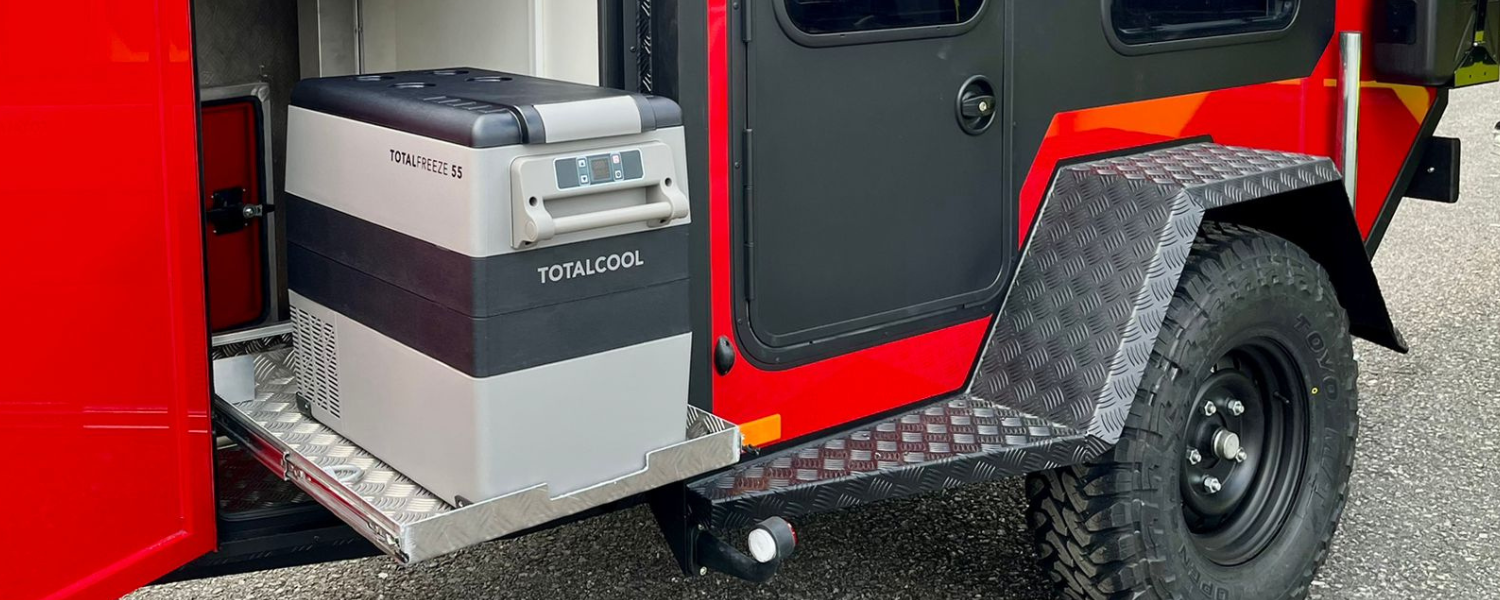
“I used the Totalfreeze for a whole weekend in combination with solar panels and didn't have any issues. Everything stayed cold, even frozen.”
“The cooler was fine during the spring, but struggled in Spain. I switched to a compressor fridge and won't go back.”
Pros and cons side-by-side
| Feature | 12V cooler (thermoelectric) | Compressor fridge |
|---|---|---|
| Cooling performance | 17–20 °C below ambient temperature | Down to -18 °C or lower |
| Power consumption | Continuous draw (3–5A) | Cycles on/off, low average consumption (1–4A) |
| Food safety | Not suitable for long-term storage | Suitable for perishables |
| Weight & price | Lighter and cheaper | Heavier and more expensive |
| Ideal for | Day trips, drinks | Long trips, all types of food |
Which one should you choose?
Ask yourself these questions:
Do you want to keep meat or dairy fresh and safe?
→ Choose a compressor fridge.
Do you just want to keep some drinks cool for a day at the beach?
→ A thermoelectric cooler is sufficient.
Are you traveling in hot weather or going off-grid?
→ Compressor fridges handle heat better and are more energy-efficient.
Last tips before you buy
Check your power supply. A compressor fridge works excellently in combination with solar panels or a secondary battery.
If possible, opt for a model with a top-opening lid. This helps keep cold air inside the unit better when you open it.
Choose the right size. Larger fridges consume more energy, so don't take up more space than you actually need.
Look for low-voltage protection. This feature prevents your battery from discharging too deeply.
In conclusion
So, what keeps your food and drinks truly cold? For serious trips, food safety, and off-grid adventures, compressor fridges are the clear winner. However, 12V thermoelectric coolers still have their place, especially for light use, day trips, and when you want to keep things simple.
Whichever option you choose, ensure it fits your adventure and your power setup. And if you're in doubt, we are happy to help.
Frequently Asked Questions
Question 1: What is the difference between a 12V thermoelectric cooler and a compressor fridge?
A 12V thermoelectric cooler uses thermoelectric cooling and reduces the temperature based on the ambient temperature. A compressor fridge works just like a fridge at home and can reach true refrigeration or freezing temperatures, regardless of the ambient temperature.
Question 2: Can a 12V thermoelectric cooler keep food safely chilled?
Not always. In hot weather, thermoelectric coolers may not get cold enough to safely store meat or dairy for extended periods. They are primarily suitable for drinks or short trips.
Question 3: Are compressor fridges better for vanlife or camping?
Yes. Compressor fridges are more reliable in hot weather, more energy-efficient, and keep food safely chilled for longer. They are ideal for off-grid use and longer trips.
Question 4: How much power does a compressor fridge use?
Most compressor fridges draw 1–4 amps and cycle on and off, which saves energy. Many models can operate for 24 hours or longer on a leisure battery, especially in combination with solar panels.
Question 5: Are 12V compressor fridges worth the money?
Yes, if you need a good cooling solution, especially for longer trips. They are more expensive than thermoelectric coolers but offer better performance and higher energy efficiency.