Are larger portable solar panels better?
Have you ever wondered if bigger is always better? When it comes to portable solar panels, many people think a larger panel automatically means more power.
But is that actually true? Let’s go on a sunny adventure and discover which panel truly performs the best!
What are portable solar panels?
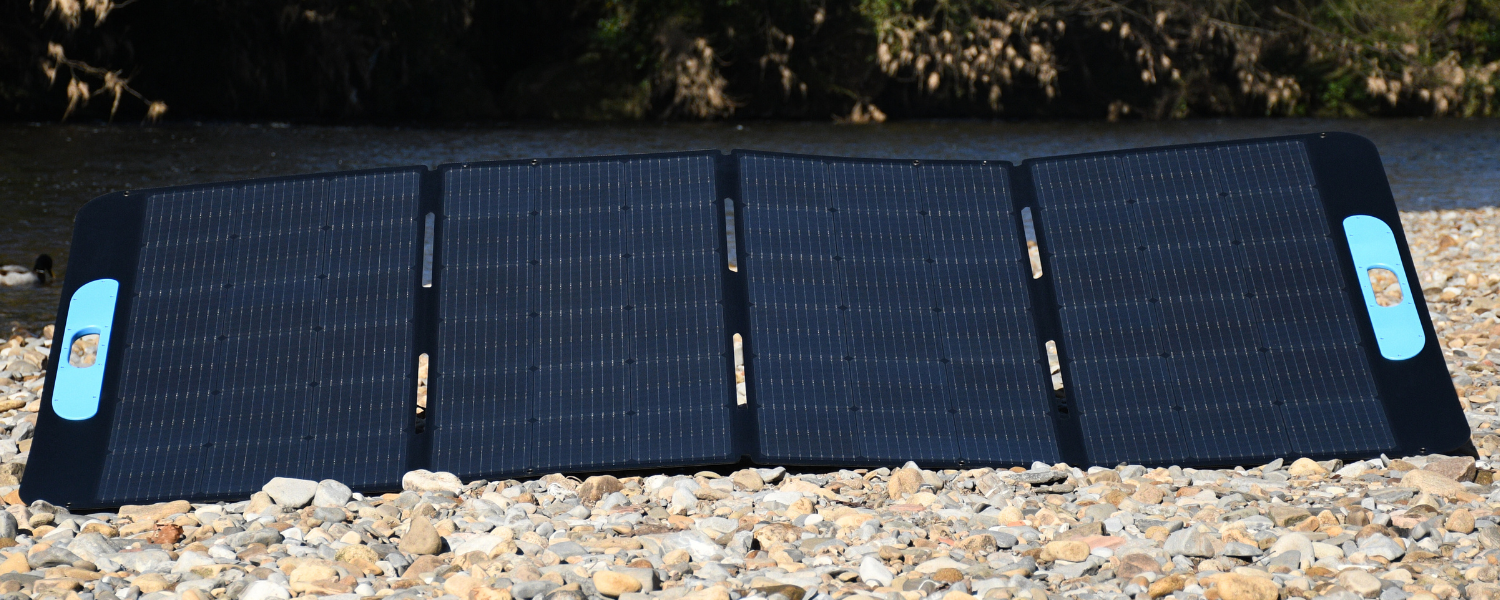
Portable solar panels convert sunlight into electricity for your devices when you go camping or head out on a trip. They are designed to be easy to carry and ensure you have power on the go, even when you are far from home.
Bigger vs. smaller: what is the difference?
When you look at a large portable solar panel, it might seem obvious that bigger is better. A larger panel can capture more sunlight and therefore generate more energy. However, there are a few things to keep in mind:
-
More power: Larger panels capture more sunlight and therefore typically provide more power to charge your phone, laptop, or even a small refrigerator.
-
Size and weight: A large panel is heavier and can therefore be a bit more awkward to carry during a long hike or to unfold on your own.
-
Price: Bigger usually also means more expensive. Paying more for extra power doesn't fit every budget, especially if you only use the solar panel occasionally.
Efficiency and types of solar cells: more than just size
A larger solar panel does not automatically mean better performance. While a larger surface area can capture more sunlight, the type of solar cell in the panel plays a major role in the amount of energy you actually generate. This is the interesting part:
Surface area vs. efficiency:
Larger panels have more surface area to capture sunlight, but if they use older or less efficient solar cells, they may deliver less power than a smaller panel with highly efficient solar cells.
Different types of solar cells:
-
Monocrystalline solar cells: These are made from a single crystal and are among the most efficient types of solar cells. They perform well in low light and deliver a high energy yield.
-
Polycrystalline solar cells: These consist of multiple crystals. They also deliver good performance, but are generally slightly less efficient than monocrystalline solar cells.
-
Thin-film solar cells: These are light and flexible, making them suitable for specific applications. In general, however, they provide less power than the other two types of solar cells.
Other factors:
Things like shade, the position of the sun, and even the temperature can affect the performance of a solar panel. When choosing a solar panel, it's not just about size, but about the right combination of dimensions, type of solar cell, and design that meets your needs.
In short: a larger solar panel might seem automatically better, but sometimes a smaller and more efficient panel is the best choice. Your choice should match how much energy you need and how you intend to use the panel!
Examples of portable solar panels from Totalcool
To show how size and efficiency come together, we will look at some portable solar panels from Totalcool:
-
TotalSolar 100 solar panel:
This compact TotalSolar 100 panel is light and easy to carry, making it perfect for short trips or charging smaller devices. Equipped with USB and DC ports to power your devices. -
TotalSolar 120 solar panel:
The slightly larger TotalSolar 120 panel delivers more power while remaining easy to carry. Ideal for campers who want to charge multiple devices. -
TotalSolar 200 solar panel:
This medium-sized TotalSolar 200 panel offers a good balance between portability and higher power output. Suitable for longer trips or powering larger appliances. -
TotalSolar 220 solar panel:
The TotalSolar 220 model provides slightly more power and is ideal for users with higher energy needs who still want a portable solar panel. -
TotalSolar 400 solar panel:
This large TotalSolar 400 panel delivers significantly more power and is perfect for longer off-grid adventures or charging multiple devices simultaneously.
The benefits of larger portable solar panels
-
Extra energy: A larger surface area typically means more energy. If you need a lot of power during a longer trip, a larger panel is a great choice.
-
Ideal for groups: When traveling with several people or needing to charge multiple devices, a larger panel can ensure everyone stays charged up.
-
Reliable in cloudy conditions: Even when the sky is grey, a larger panel can still capture enough sunlight to generate energy.
The drawbacks of larger panels
-
Harder to carry: If you like to travel light, a large solar panel can weigh you down a bit more.
-
Space matters: A larger panel takes up more room in your car or van. That can be tricky if you have limited storage space.
-
Higher costs: Spending extra money is not always worth it if you don't need much power or only use the panel infrequently.
How to choose the right portable solar panel?
Choosing the right solar panel can be easy if you follow this short checklist:
-
Determine what you need: How much power do you really need? Do you use many devices or just your phone?
-
Consider the weight: If you hike a lot or have limited space, opt for a lighter or smaller panel.
-
Determine your budget: Consider how much you want to spend.
-
Size vs. portability: Do you need extra power and don't mind a bit of extra weight? Then a larger panel might be the best choice.
Conclusion
Larger portable solar panels may ultimately be a better choice if you need a lot of power and don't mind carrying some extra weight. If you want something light that is easy to move around, a smaller panel might suit you just as well.
The right choice depends on your adventure, your budget, and the amount of power you need. Whatever you choose, remember that the sun is always ready to provide you with energy!
Ready to discover more interesting solar energy solutions? Check out our range here.